
ZNY Agri manufactures HDPE insect nets for agricultural importers, greenhouse suppliers, farm distributors and commercial growing projects that need physical crop protection without unnecessarily restricting ventilation and light. Common specifications include 16–120 mesh, 1–18 m widths and 0.10–0.30 mm thickness, with custom roll lengths, colors and packaging available for suitable orders. UV stabilization, mesh structure, yarn strength and opening uniformity can be matched to target pests, crop type, local climate and expected outdoor service life. OEM and ODM support covers mesh count, dimensions, color, material formulation, edge finishing and private-label packaging.
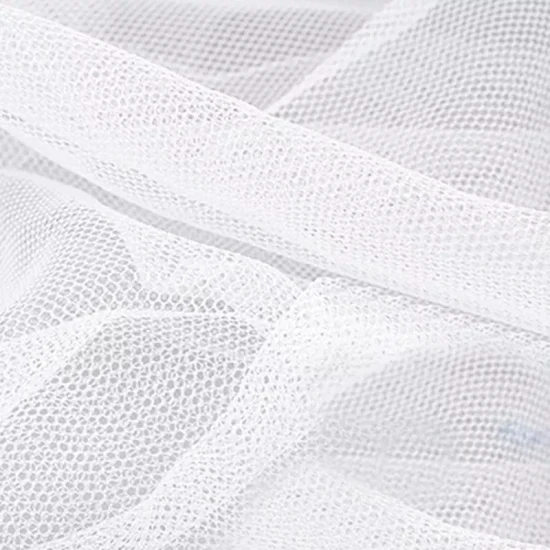
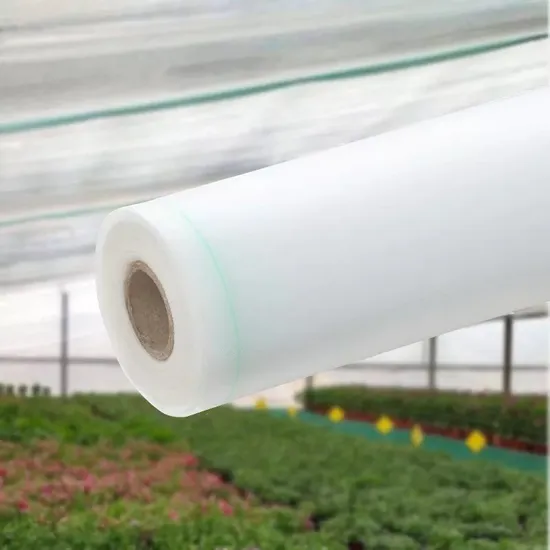
Agricultural insect net, also called anti-insect net or insect-proof mesh, is a physical crop-protection fabric made mainly from HDPE yarn with UV and anti-aging additives. It helps reduce the entry of insects while allowing light and air to pass through the protected area. Selection should not be based on mesh count alone. Buyers should compare target pest size, actual opening dimensions, yarn diameter, ventilation, light transmission, fabric weight, tensile strength, width and UV service life. A finer mesh provides stronger exclusion but can reduce airflow, so the specification must be matched to crop sensitivity, temperature and greenhouse ventilation conditions.
Production begins with HDPE resin blended with UV stabilizers, anti-aging additives and color masterbatch according to the required climate and service life. The material is extruded and drawn into controlled yarns, then knitted or woven into the specified mesh structure. The fabric is heat-set to improve dimensional stability before inspection, cutting, edge finishing, winding and packaging. Process control focuses on mesh-count accuracy, opening uniformity, yarn consistency, width, tensile performance, ventilation, surface appearance and resistance to edge fraying. Finished rolls can be checked against agreed dimensions, weight, strength and packaging requirements before shipment.
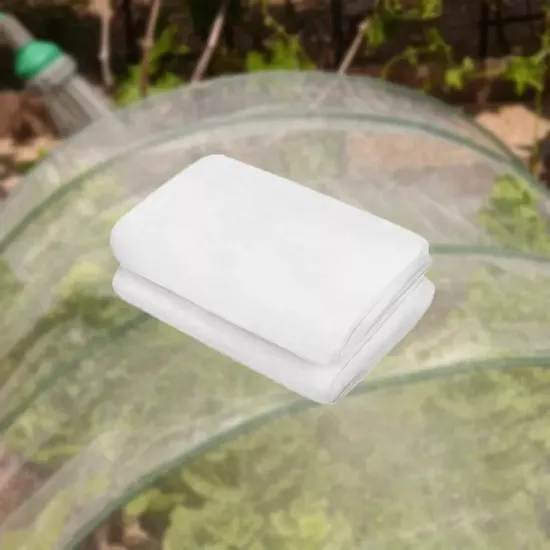
Suitable for tomatoes, cucumbers, peppers, leafy vegetables and other greenhouse crops that require physical protection from common flying pests. Mesh count should be selected together with ventilation needs, local temperature and target insect size.
Provides a controlled barrier for young plants, propagation areas and nursery structures where early pest pressure can cause significant crop loss. Fine, uniform openings and stable edges help support consistent enclosure of the growing area.
Used around fruit trees, berry production and selected orchard structures to reduce pest entry while maintaining airflow. Width, tensile strength, UV level and installation method can be customized for larger spans and outdoor exposure.
Suitable for flowers, ornamental plants and horticultural production where growers need pest exclusion without excessively reducing light. White or light-colored nets can be evaluated where brightness and crop appearance are important.
Supports open-field vegetable beds, small tunnels and lower-pesticide production systems by providing a physical barrier against insects. The net should be installed with secure edges and matched to crop height, field layout and wind conditions.
Share your target market, crop, greenhouse or field application and purchasing plan so the sales team can prepare a relevant insect-net recommendation.
Confirm target pests, mesh count, opening requirement, width, roll length, color, UV life, edge finishing, packaging and estimated order quantity.
Compare suitable mesh structures and specifications according to pest exclusion, ventilation, light transmission, strength, service life, budget and market positioning.
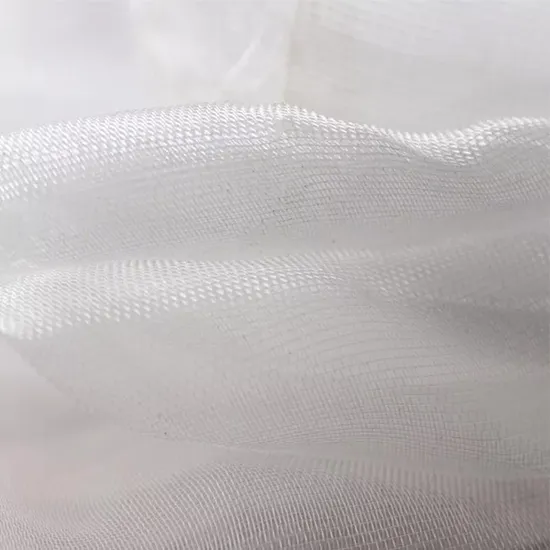
Arrange available samples or a specification sample to review mesh opening, yarn quality, color, width, edge stability, flexibility and packaging presentation.
Evaluate the net under your greenhouse, tunnel or field conditions and confirm airflow, light, pest exclusion and installation suitability before production.
Approve the final specification, quantity, private-label packaging and shipping details, then proceed with production, inspection and order execution.
Click the button below or obtain relevant support through the contact information on the right