
Seedling Tray Manufacturer for Agricultural and Greenhouse Propagation
ZNY Agri manufactures heavy‑duty plastic seedling trays for agricultural distributors, greenhouse suppliers, nursery projects and commercial growers that need reliable propagation products for vegetable, flower and fruit seed raising. Common standard cell counts range from 24–288 cells, with standard outer dimensions around 540×280 mm and custom cell depth, tray thickness and overall sizes available for suitable orders. Buyers can select PP / PS plastic raw material, UV‑stabilized formula, drainage hole configuration, reinforced rim structure, color and surface finish. OEM and ODM services cover cell quantity, tray dimension, wall thickness, drainage design, packaging and private‑label requirements for wholesale and project supply。
What Is a Seedling Tray and Which Specification Should You Source?
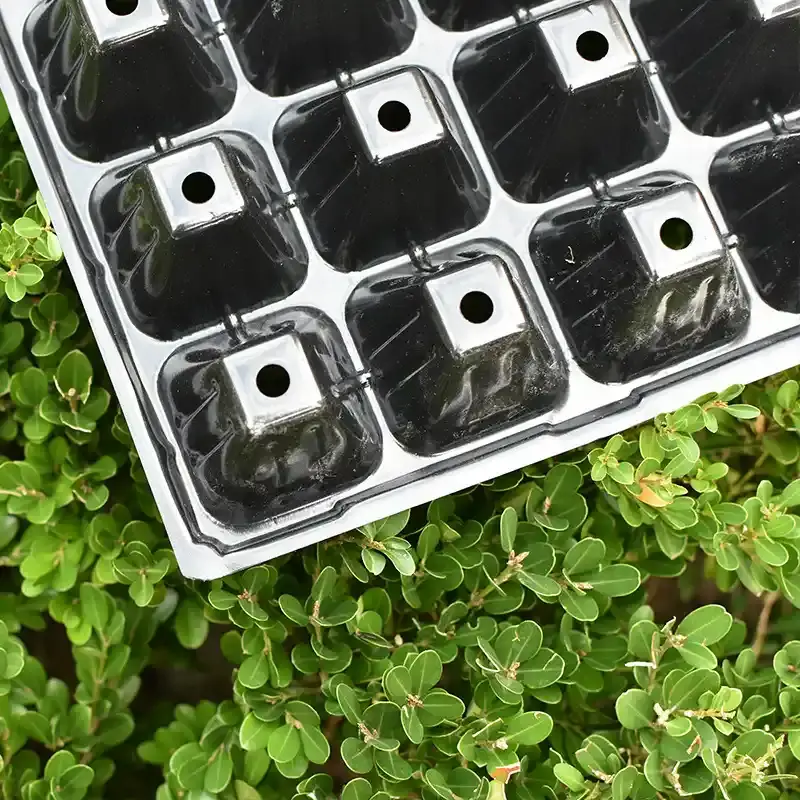
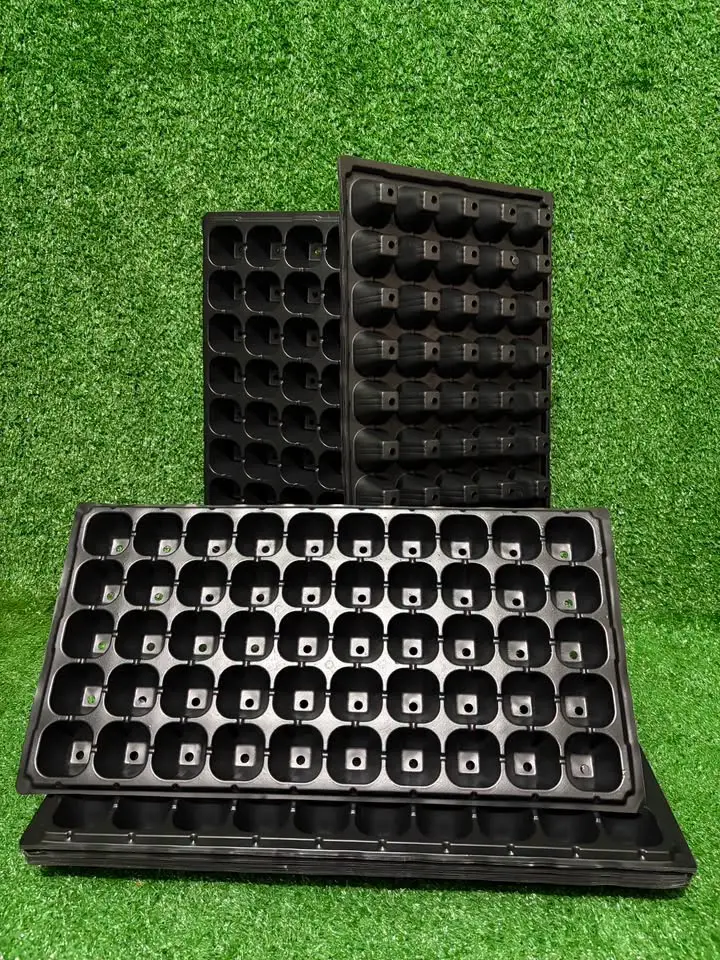
A seedling tray, also called plug tray or propagation tray, is a plastic horticultural product designed for seed germination and seedling raising. Compared with traditional seed beds or loose containers, it is lightweight, stackable, easy to clean and disinfect, resistant to moisture, and supports mechanical sowing and transplanting inside greenhouses or open‑air nurseries. Product selection should consider cell count, cell depth, tray thickness, raw‑material grade, UV‑resistance, drainage hole layout and reinforced structural performance. We help buyers match these variables to vegetable propagation, flower seedling raising, orchard nursery and project requirements instead of treating every application as the same generic tray.
How We Manufacture Seedling Trays for Consistent Structural Strength
Production begins by selecting qualified food‑grade PP or PS plastic raw materials and mixing functional additives including UV stabilizer and anti‑aging masterbatch according to formula requirements. Prepared plastic materials enter precision moulds for thermoforming or injection molding, where the cell cavities, drainage holes and reinforced tray rims are formed under controlled temperature and pressure. After cooling and trimming, finished trays are inspected for dimension accuracy, cell integrity and surface quality before stacking, counting and packing for selected packaging solutions. Process control focuses on wall thickness consistency, cell dimension, drainage hole precision, anti‑cracking performance and stack‑fit tolerance. Inspection requirements can be agreed according to application and order specification.
Seedling Tray Solutions for Agricultural and Propagation Applications
Vegetable Seedling Propagation
Suitable for raising tomatoes, peppers, cucumbers, leafy greens, melons and other commercial vegetable seedlings. Cell count, cell depth and tray thickness can be selected according to seed size, seedling growing cycle and transplanting method.
Greenhouse Sowing & Propagation
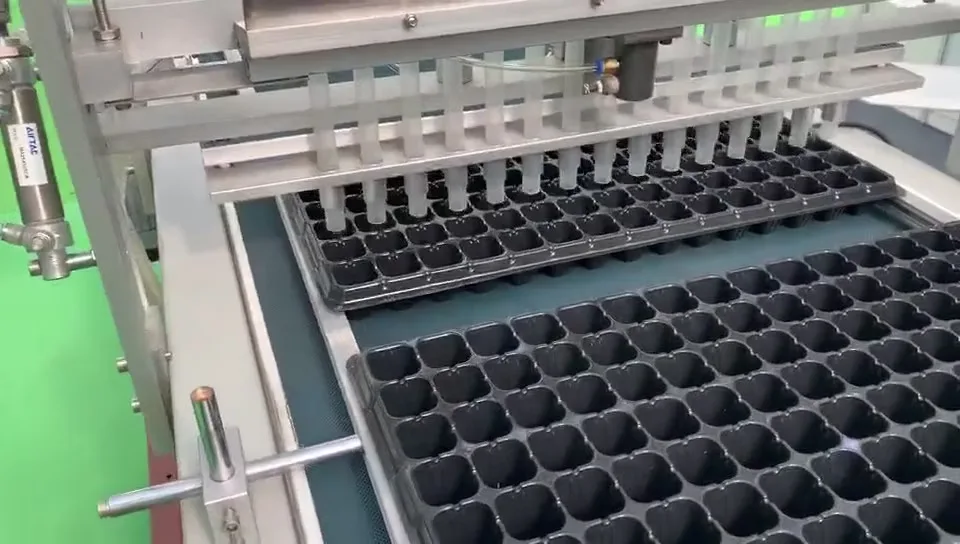
Used for greenhouse seed‑sowing work, automated seedling lines and protected propagation environments. Stackable structure saves storage space, while drainage‑hole design optimizes root health under high‑humidity greenhouse conditions.
Orchard & Fruit Tree Nursery
Designed for fruit saplings and woody plant seedling systems that require deeper cell space and impact‑resistant tray performance. UV formulation, cell depth and tray strength can be customized for local nursery growing conditions.
Flower & Horticultural Nursery
Provides standardized propagation space for ornamental flowers, bedding plants and shrub seedlings. Reinforced rims, multiple color options and private‑label packaging can be selected to improve market suitability for retail garden distribution channels.
Hydroponic & Special Propagation Projects
Seedling trays can also be specified for hydroponic seed‑starting and special horticultural propagation systems. Material grade, cell structure and testing requirements should be confirmed separately for non‑standard growing projects.
What Buyers Value in Our Seedling Tray Supply Process
From Tray Requirements to a Confirmed Bulk Order
Contact Sales
Share your target market, application and purchasing plan so the sales team can identify the technical and commercial information required for a suitable recommendation.
Confirm Requirements
Confirm the application, cell count, cell depth, tray dimension, material grade, UV level, drainage structure, color, packaging, expected quantity and any OEM or ODM requirements.
Select the Product
Compare suitable standard thermoformed trays, heavy‑duty injection trays or custom‑mould structures and select material and specifications that match performance, budget and market positioning.
Receive Samples
Arrange available samples or specification samples to review dimension, rigidity, surface quality, drainage function, stacking performance, color and overall suitability.
Test the Samples
Evaluate samples under your own sowing, nursery and transplanting conditions and confirm whether thickness, cell size or structural adjustments are needed before formal production.
Place the Formal Order
Approve final specification, quantity, packaging and shipping details, then proceed with production, inspection and order execution.
Questions Buyers Ask Before Ordering Seedling Trays
What types of seedling trays do you manufacture?
We manufacture thermoformed and injection‑molded plastic seedling trays for agricultural greenhouses, commercial nurseries, horticulture and selected special propagation projects. Common options include thin‑gauge disposable plug trays, heavy‑duty reusable propagation trays and UV‑stabilized outdoor nursery trays. Multiple cell‑count configurations, drainage‑hole layouts and reinforced‑rim versions can be selected according to rooting requirement, transplant equipment and expected service life. Highly specialized custom‑mould shapes require separate confirmation as they involve new mould investment and different production lead‑times compared to standard agricultural seedling trays.
What cell counts and dimensions can I order?
Common seedling tray cell counts range from 24 cells up to 288 cells. Typical commercial nursery sizes include 50‑cell for melon seedlings, 72‑cell for tomatoes & peppers, 128‑cell for leafy vegetables, and 200‑288‑cell for dense fast‑growing small seeds. Standard overall outer dimensions are mostly 540 × 280 mm. Custom outer sizes, cell depth and cell volume can be evaluated subject to mould conditions, transport constraints, packaging and minimum‑order requirements. Cell count and cell depth should always be selected together according to seedling root‑growth requirements.
Which materials, colors and structural options are available?
Seedling trays are manufactured from food‑safe polypropylene (PP) or polystyrene (PS). UV‑stabilized masterbatch can be added for long‑term outdoor nursery usage. Common colors include black, white and clear transparent. Available structural choices include standard or reinforced tray rims, different density drainage holes, deep‑cell / shallow‑cell cavity designs. Anti‑aging UV formulations are strongly suggested for outdoor continuous use; final material formulation should match local climate and expected service cycles.
How is seedling tray quality evaluated?
Important quality checks include raw‑material verification, wall‑thickness tolerance, overall dimension accuracy, cell cavity consistency, drainage‑hole integrity, stacking compatibility, impact‑resistance and anti‑cracking performance under repeated handling. Relevant reference standards cover plastic horticultural product physical testing and UV accelerated‑aging testing. Exact inspection test plans need confirmation before production because disposable thin trays and heavy‑duty reusable nursery trays do not require identical acceptance criteria.
Do you provide OEM, ODM, samples and private‑label packaging?
Yes. OEM and ODM services can cover cell quantity, cell depth, tray outer dimension, material formula, color, drainage layout, logo printing, bundle quantity, carton specifications, woven bag packing and palletizing. Samples can be arranged so buyers review dimensions, rigidity, drainage performance and stacking quality before formal bulk orders. Sample availability, MOQ and production lead‑time depend on selected cell configuration, tray thickness, mould condition and custom‑packaging requirements. All these points will be clarified during quotation to provide real project‑based pricing instead of generic catalogue prices.
Do you support distributors, agents and regional supply from Kenya?
We welcome cooperation with agricultural‑material importers, greenhouse suppliers, nursery product distributors and project contractors across regions. For East‑African customers, selected standard seedling‑tray specifications may be supported via our warehouse in Kenya, subject to current stock, dimensions and order volume. Other fully custom orders can be manufactured and shipped directly from China following agreed manufacturing and logistics schedules. Agency discussions may cover target sales territory, preferred product portfolio, packaging solution, market positioning and expected sales volumes. Buyers are invited to provide country information, sales channels and annual demand estimates for business evaluation.
Next you can
Click the button below or obtain relevant support through the contact information on the right