Provide the vegetable type, planting area, bed and row dimensions, crop spacing, cultivation method, location, season, temperature and solar conditions, target pests, water source, expected service life and order quantity. Photos or drawings are strongly recommended.
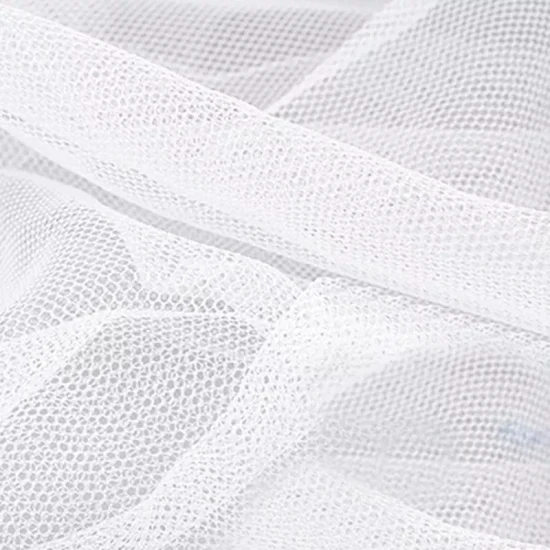
Choose the mesh according to the smallest target pest, then check whether the remaining airflow is suitable for the crop and climate. Common agricultural options include 24–80 mesh, but a higher mesh count can reduce ventilation, so it should not be selected by pest exclusion alone.
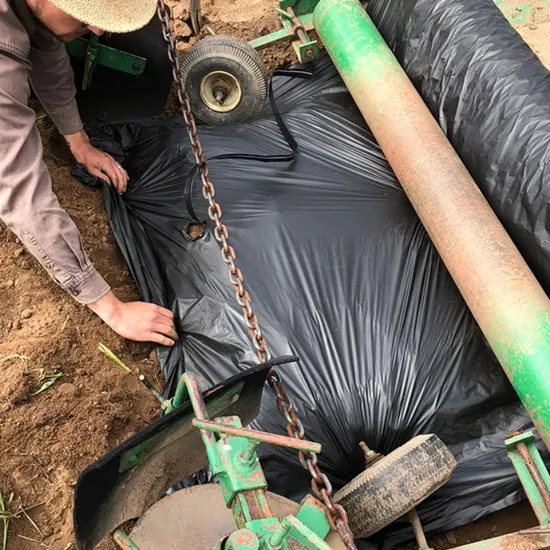
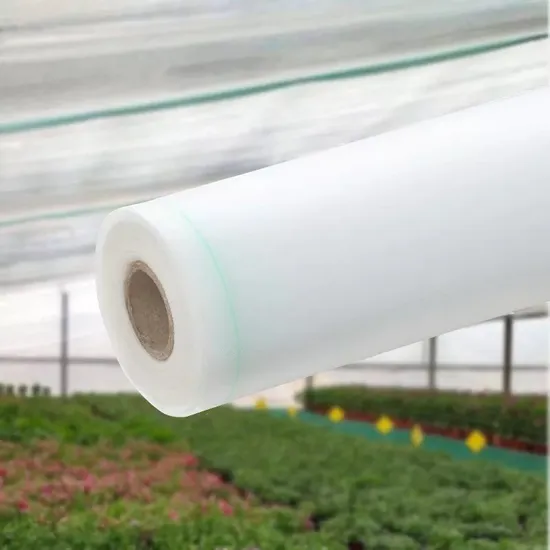
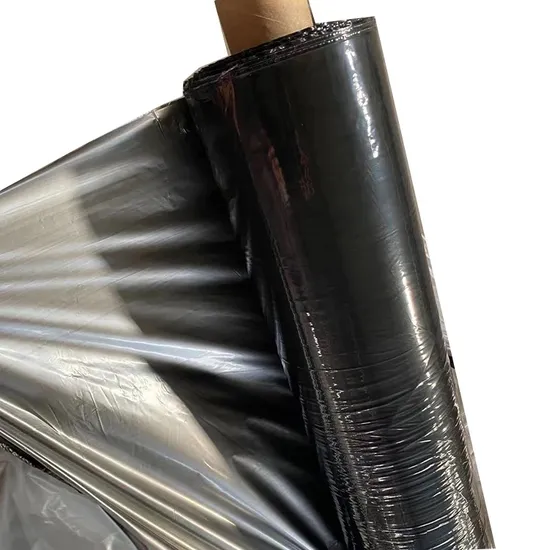
Black film is commonly used for weed suppression and moisture retention; clear film can raise soil temperature faster; silver-black film can combine weed control with reflective pest-management benefits. The choice depends on crop, season, climate and production objective.
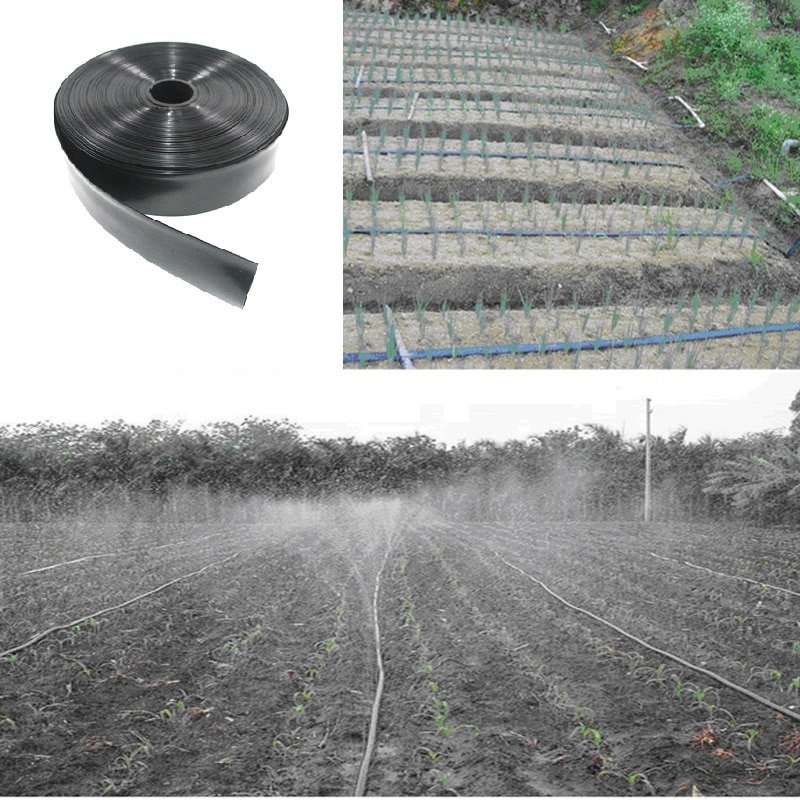
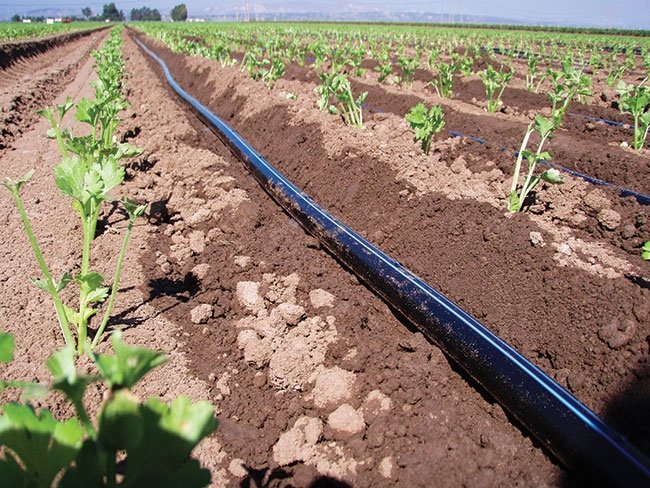
Emitter spacing should follow crop spacing and soil wetting behavior. Common options include 10, 20, 30, 40 and 50 cm, with typical flow choices of 1, 2, 4 or 8 L/h. Working pressure and filtration must also match the irrigation design.
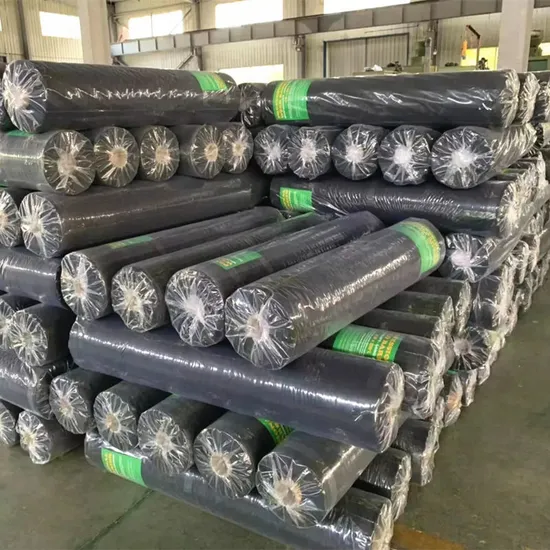
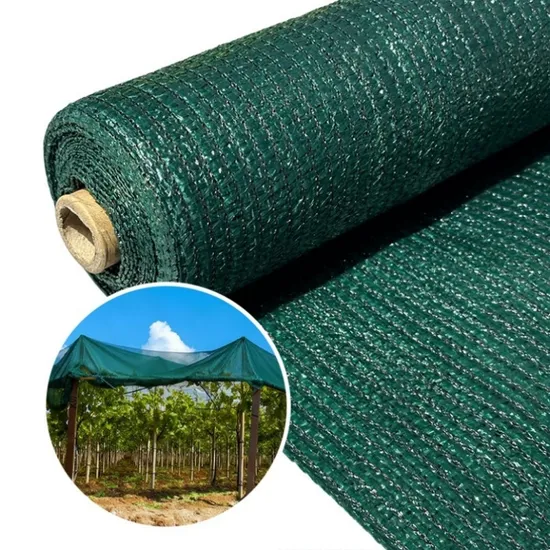
Yes. Films, nets, fabrics, drip tape and fiberglass rods can be customized within production limits, including dimensions, colors, UV level, mesh, GSM, emitter spacing, flow, roll format, labels and packaging.
Inspection can cover dimensions, film thickness, fabric GSM, tensile performance, light or shade characteristics, water permeability and emitter flow. Relevant methods may include ISO, ASTM or EN standards listed in the product documentation; the exact method and acceptance criteria must be agreed before production.